
All articles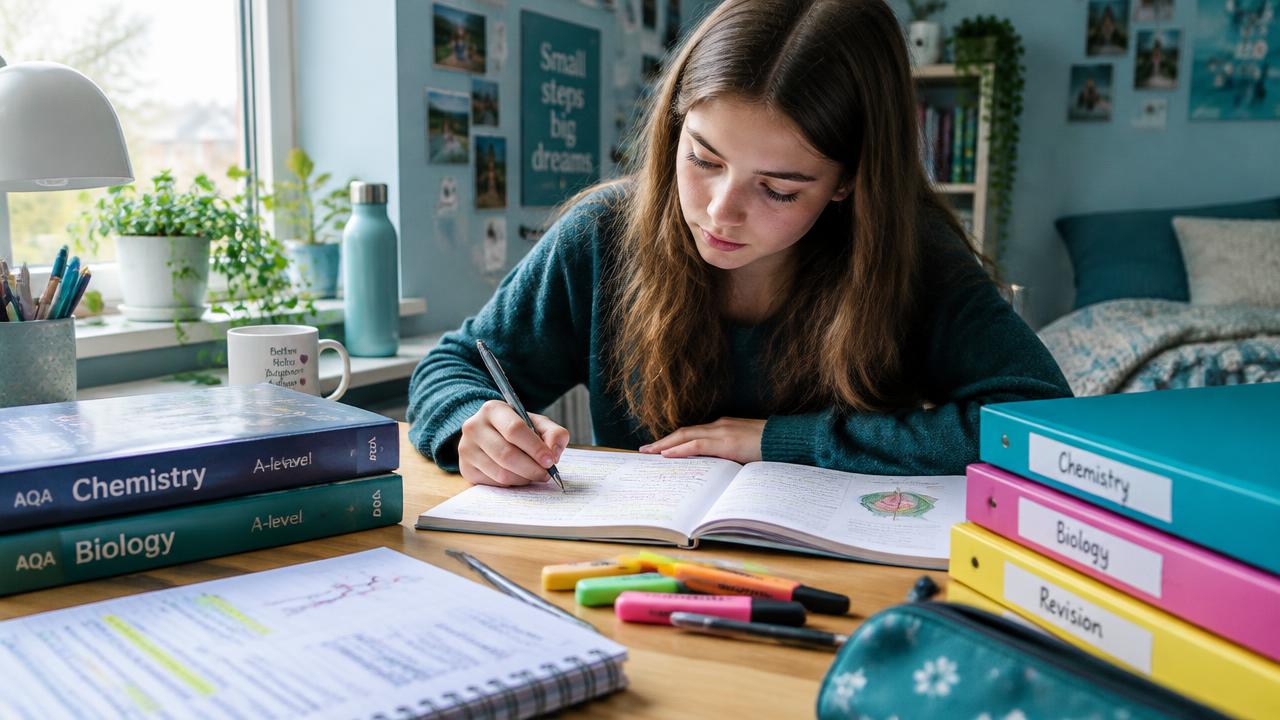
Supporting Your Teen: A Parent’s Guide to the GCSE to A-Level Transition
Your role shifts from manager to coach.
Your teen just finished GCSEs, and now they are stepping up to A-levels. It is a massive academic leap. The content gets harder, the workload increases, and independent study becomes essential.
As a parent, your role shifts from manager to coach. Here is how to help them navigate this transition smoothly.
Understand the jump
A-levels are a different beast than GCSEs. Recognising these shifts helps you support them without friction.
- Fewer subjects, deeper focusThey drop from 8–10 subjects down to 3 or 4.
- The “Sixth Form Shock”The jump in difficulty catches many students off guard by October.
- Independent learningFor every hour in class, they need time for independent study.
- Critical thinkingMemorising facts is no longer enough; they must analyse and problem solve.
Practical ways to help
You do not need to know the curriculum to help them succeed. Focus on creating the right environment.
- Establish a routineHelp them treat free periods as study time, not social hour.
- Upgrade the study spaceThey need a quiet area with room for large folders and textbooks.
- Invest in organisationBuy dividers, folders, and highlighters before the term starts.
- Encourage early revisionWaiting until Easter for A-levels is a recipe for disaster.
Managing the emotional rollercoaster
The pressure to secure university places or apprenticeships can cause high anxiety.
- Validate their stressAcknowledge that the workload is genuinely heavier.
- Watch for burnoutLook out for changes in sleep, mood, or eating habits.
- Promote downtimeEnsure they maintain hobbies, sports, and friendships.
- Praise effort, not outcomeFocus on their work ethic rather than mock exam grades.
The two-year timeline
Keep these key milestones on your radar so nothing catches you by surprise.
- Year 12 (Autumn)Adaptation phase; mastering new essay styles and lab skills.
- Year 12 (Spring/Summer)UCAS preparation, university open days, and crucial mock exams.
- Year 13 (Autumn)Personal statements, university applications, and interview prep.
- Year 13 (Spring/Summer)Final A-level exams and results day.